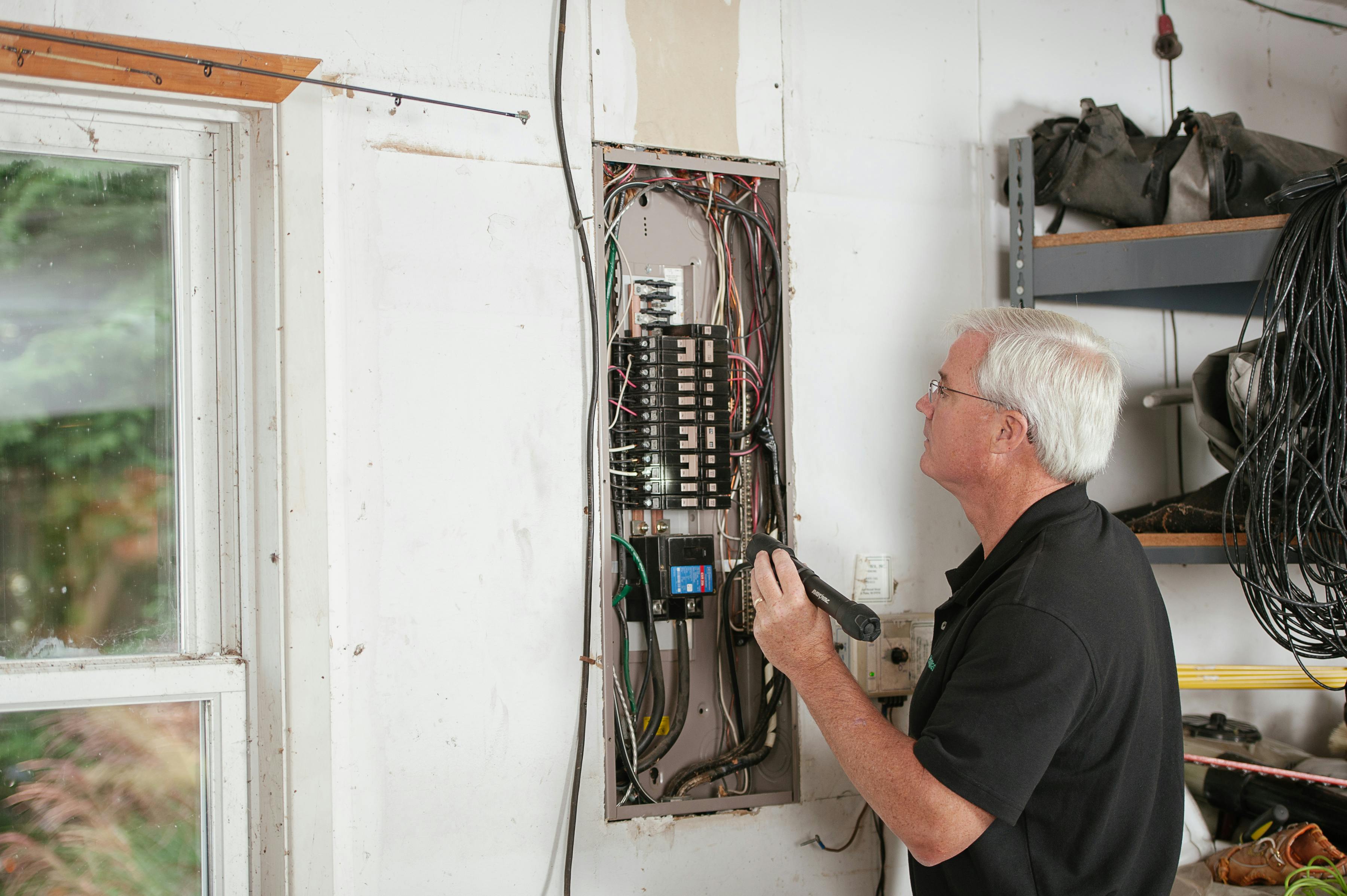
Heating, Ventilation, and Air Conditioning (HVAC) systems are integral to maintaining comfortable and healthy indoor environments. As energy efficiency becomes increasingly important, optimizing HVAC systems is a priority for many building owners and facility managers. One effective way to maximize HVAC efficiency is through comprehensive testing services. These services ensure systems are operating at peak performance, leading to energy savings, reduced operational costs, and enhanced indoor air quality. This article explores various facets of HVAC testing services and their role in optimizing system efficiency.
Understanding HVAC Testing Services
HVAC testing services are designed to evaluate the performance and efficiency of heating, ventilation, and air conditioning systems. These services include a range of diagnostic and assessment procedures that identify potential issues and areas for improvement. The key components of HVAC testing services typically involve:
- Performance Testing: Evaluating the operational efficiency of HVAC components such as compressors, fans, and air handlers.
- Air Quality Testing: Measuring indoor air quality to ensure compliance with health and safety standards.
- System Balancing: Ensuring that air distribution is even and consistent throughout the building.
- Energy Audits: Identifying opportunities for energy savings and efficiency improvements.
Benefits of HVAC Efficiency Testing
Implementing regular HVAC efficiency testing can offer numerous advantages for building operators and occupants. Key benefits include:
- Energy Savings: By identifying inefficiencies and optimizing performance, testing services can lead to significant reductions in energy consumption. Learn more in this detailed guide.
- Cost Reduction: Improved efficiency often results in lower utility bills and reduced maintenance costs.
- Enhanced Comfort: Properly balanced systems ensure consistent temperatures and air quality, enhancing occupant comfort.
- Prolonged Equipment Life: Regular testing and maintenance help in extending the lifespan of HVAC equipment.
Implementing HVAC Testing Services
To effectively implement HVAC testing services, it is crucial to understand the specific needs and conditions of the building and its systems. Here are some steps to consider:
1. Conduct a Preliminary Assessment
Start by conducting a preliminary assessment of the HVAC system. This includes reviewing system design, previous performance data, and any existing issues. Read more about this topic.
2. Engage Professional Services
Engaging experienced professionals for HVAC testing ensures accurate diagnostics and recommendations. These experts utilize advanced tools and techniques to assess system performance and identify optimization opportunities.
3. Implement Recommendations
After testing, it is essential to implement the recommended changes and improvements. This may involve upgrading equipment, enhancing system controls, or adjusting operational settings. Explore further insights here.
4. Schedule Regular Testing
To maintain optimal performance, establish a schedule for regular HVAC testing and maintenance. This proactive approach allows for early detection of potential issues and continuous efficiency improvements.
The Role of Technology in HVAC Testing
Advancements in technology have significantly enhanced the capabilities of HVAC testing services. Modern tools and software enable more precise diagnostics and data analysis, leading to more effective efficiency improvements. Key technological innovations include:
- Digital Sensors: These sensors provide real-time data on system performance and environmental conditions, allowing for prompt adjustments.
- Data Analytics: Advanced analytics tools help interpret large volumes of data, identifying trends and patterns that inform efficiency strategies.
- Remote Monitoring: Remote monitoring systems enable continuous observation and management of HVAC systems, even from off-site locations. Find additional information here.
Conclusion
Maximizing HVAC efficiency through testing services is a strategic approach to improving energy usage, reducing costs, and enhancing indoor environments. By leveraging professional testing services, building owners and facility managers can ensure their HVAC systems operate at peak performance, delivering long-term benefits for both occupants and the environment. Regular testing, informed by technological advancements, remains a cornerstone of effective HVAC management and optimization.