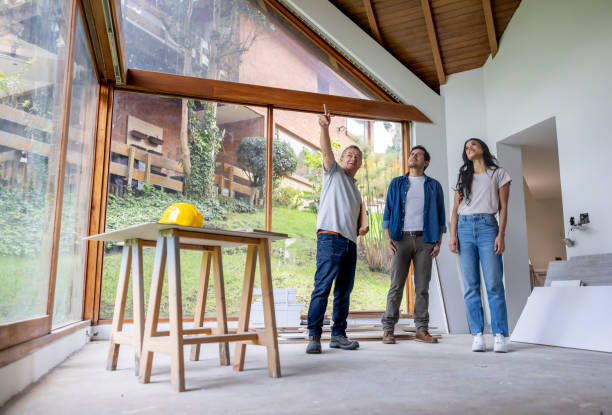
Flat roofing services are essential for commercial properties due to their unique requirements and structural characteristics. A flat roof, while seemingly simple, necessitates specialized attention and expertise to ensure durability, efficiency, and aesthetic appeal. The choice of material, the installation process, and the maintenance regimen all play critical roles in extending the lifespan of a flat roof. As businesses seek to optimize their overhead structures, understanding the intricacies of professional flat roofing services becomes paramount.
Key Benefits of Flat Roofing for Commercial Properties
Flat roofing systems offer numerous advantages for commercial buildings, making them a popular choice among businesses. These benefits include:
- Cost-Effective Installation: The materials and labor required for flat roofing are generally less expensive compared to pitched roofs.
- Space Utilization: The flat surface allows for additional space usage, such as HVAC system placement or rooftop gardens.
- Easy Access: Maintenance and inspections are simpler and safer on flat roofs due to their accessible design.
- Modern Aesthetic: Offers a sleek and contemporary look that complements modern architectural designs.
For more comprehensive insights into the benefits of flat roofing, explore further insights here.
Types of Flat Roofing Materials
Choosing the appropriate material for a flat roof is crucial for its longevity and performance. Several materials are commonly used in flat roofing systems:
Built-Up Roofing (BUR)
This traditional method involves multiple layers of bitumen and reinforcing fabrics, creating a durable and weather-resistant surface. Learn more about the specifics of built-up roofing here.
Modified Bitumen
Modified bitumen roofs are a modern take on the BUR system, offering improved flexibility and resistance to harsh weather. Read more about this topic to understand its installation process and benefits.
Single-Ply Membrane
Single-ply membranes, such as TPO or EPDM, provide excellent UV protection and are highly resistant to tears and punctures. They are lightweight and easy to install, making them a popular choice for commercial properties.
Installation Process and Considerations
The installation of a flat roof requires meticulous planning and execution to ensure its efficacy and longevity. Key considerations include:
- Structural Evaluation: Assessing the building’s structural integrity to support a flat roof.
- Drainage Systems: Implementing effective drainage solutions to prevent water pooling and potential leaks.
- Insulation: Choosing the right insulation to enhance energy efficiency and indoor comfort.
For a detailed guide on the installation process, learn more in this detailed guide.
Maintenance and Repair of Flat Roofs
Regular maintenance is vital for the health and longevity of a flat roof. Key maintenance practices include:
- Routine Inspections: Regularly checking for signs of damage or wear, such as cracks or leaks.
- Cleaning Debris: Removing debris that can clog drainage systems or cause surface damage.
- Professional Repairs: Engaging professionals for repair work to ensure proper sealing and material integrity.
Find additional information on maintaining flat roofs here.
Conclusion
Professional flat roofing services play an integral role in the structural and aesthetic success of commercial properties. The choice of materials, attention to detail during installation, and a robust maintenance plan ensure that flat roofs remain efficient and durable. Businesses can significantly benefit from investing in quality flat roofing solutions, leading to long-term savings and enhanced property value. By understanding and implementing best practices in flat roofing, commercial property owners can effectively manage their building’s overhead infrastructure.