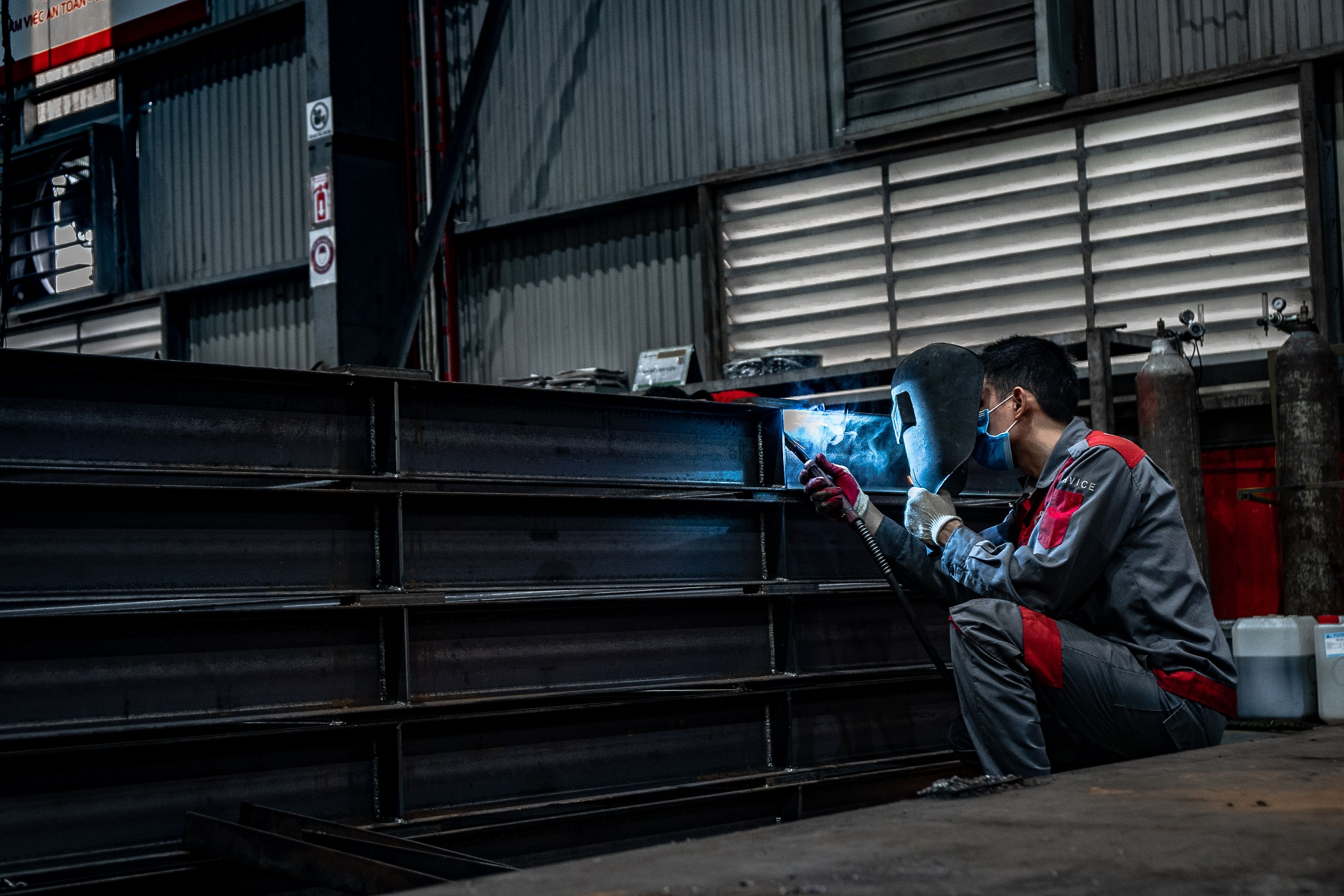
Metal fabrication is a dynamic and complex industry that requires precision, skill, and a deep understanding of materials and techniques. In Melbourne, where the demand for customized metal works is on the rise, it is crucial to approach metal fabrication with a strategic mindset. Whether it is for construction, automotive, or artistic purposes, successful metal fabrication hinges on a few expert tips that can significantly enhance the quality and efficiency of the work. This article delves into some of these strategies, offering insights into achieving exceptional results in metal fabrication.
Understanding the Basics of Metal Fabrication
Before diving into advanced techniques, it is essential to have a firm grasp of the basic principles of metal fabrication. This foundational knowledge ensures that every project starts on the right foot. A few key aspects include:
- Material Selection: The choice of metal can greatly impact the fabrication process. Different metals have unique properties, and selecting the right one is crucial for both functionality and aesthetics.
- Design Planning: A well-thought-out design that takes into account the metal’s properties can prevent costly mistakes and rework.
- Precision Tools and Equipment: Using the right tools for cutting, bending, and assembling ensures accuracy and consistency in the final product.
For those seeking to expand their knowledge on these foundational aspects, discover expert strategies here.
Advanced Techniques for Successful Fabrication
Embracing Technology
Incorporating modern technology into metal fabrication processes can enhance precision and efficiency. Here are some technologies that are transforming the industry:
- Computer-Aided Design (CAD): CAD software allows for precise design and modification, making it easier to visualize finished products and detect potential issues early.
- Automation: Automated machinery can perform repetitive tasks with high accuracy, reducing labor costs and production time.
- 3D Printing: While traditionally associated with plastics, 3D printing with metal is becoming increasingly viable for prototyping and small-batch production.
To learn more about integrating these technologies, explore advanced guides and tips.
Focus on Quality Control
Quality control is a critical component in ensuring the success of metal fabrication projects. Implementing stringent quality checks at various stages of the process can prevent defects and ensure that the final product meets specifications. Key quality control practices include:
- Regular Inspections: Conducting inspections throughout the fabrication process helps to identify and rectify issues quickly.
- Testing for Durability: Ensuring that all fabricated products can withstand the intended environmental conditions and loads is paramount.
- Feedback Loops: Incorporating feedback from clients and team members to continually improve processes and outcomes.
For more on quality control techniques, find out more about this approach.
Importance of Skilled Workforce
Even with the best tools and technologies, the skill and expertise of the workforce remain a core component of successful metal fabrication. A skilled team can interpret designs accurately, operate machinery efficiently, and adapt to challenges as they arise. Investing in continuous training and development is essential to maintaining a competitive edge in the industry.
Explore ways to build a proficient team by learning about our tailored solutions.
Conclusion
Metal fabrication in Melbourne, with its unique demands and challenges, can be a rewarding endeavor when approached with the right strategies. By understanding the basics, embracing advanced technologies, ensuring rigorous quality control, and nurturing a skilled workforce, fabricators can produce high-quality, reliable products. Each of these elements plays a pivotal role in the success of metal fabrication projects, and continuous learning and adaptation are key to staying ahead in this dynamic field.