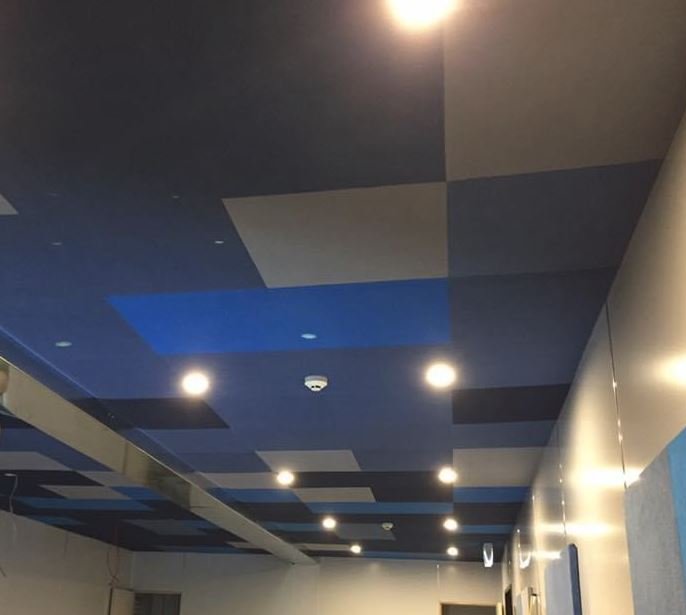
In modern architecture, the integration of acoustic panels has become a paramount consideration for enhancing sound quality and minimizing noise pollution. These panels play a crucial role in a variety of settings, from open office spaces to home studios, providing both aesthetic appeal and functional benefits. With the growing need for effective noise control solutions, understanding the various types and applications of acoustic panels can significantly impact the quality of sound environments.
Understanding Acoustic Panels
Acoustic panels are designed to absorb sound waves, reducing noise and echo within a space. They are commonly used in environments where sound quality is critical, such as recording studios, theaters, and conference rooms. These panels not only improve acoustics but also contribute to the overall design and ambiance of a room.
Types of Acoustic Panels
- Foam Panels: Lightweight and cost-effective, ideal for home studios and small office spaces.
- Fabric-Wrapped Panels: Offer superior sound absorption and are customizable to match interior decor.
- Wooden Panels: Combine aesthetic appeal with functional performance, suitable for high-end environments.
- Fiberglass Panels: Highly efficient in absorbing sound, often used in industrial settings.
Applications of Acoustic Panels
The use of acoustic panels extends across various sectors, each benefiting from their unique properties. For instance, in corporate settings, reducing noise can enhance communication and productivity. Similarly, in educational environments, effective sound management facilitates better learning experiences.
Corporate Environments
In open-plan offices, acoustic panels help mitigate the effects of noise, contributing to a more focused and comfortable working atmosphere. Discover expert strategies here for integrating acoustic solutions in office design.
Home Studios and Theaters
For home studios and personal theaters, acoustic panels are essential in achieving professional sound quality. They reduce unwanted reverberations, allowing for a clearer and more immersive audio experience. Learn about our tailored solutions for optimizing home acoustics.
Benefits of Acoustic Panels
Implementing acoustic panels offers several advantages, contributing to both acoustic performance and interior design.
- Improved Sound Quality: By absorbing sound waves, panels enhance clarity and reduce echo.
- Increased Privacy: Particularly important in office environments, acoustic panels help maintain confidentiality by minimizing sound transmission.
- Aesthetic Enhancement: Available in various designs and materials, they add visual interest and can complement interior decor.
- Versatility: Suitable for a wide range of settings, from commercial spaces to residential areas.
Installation and Maintenance
Installing acoustic panels involves strategic placement to maximize their effectiveness. Professional installation is recommended to ensure optimal performance. Regular maintenance is minimal, often requiring only occasional dusting or vacuuming to maintain their appearance and effectiveness. Explore advanced guides and tips for maintaining acoustic panels.
Conclusion
Acoustic panels provide a dynamic solution for noise control, enhancing both sound quality and aesthetic appeal. Their versatility makes them suitable for a wide range of applications, from corporate to residential settings. Understanding the various types and benefits of these panels can lead to more informed decisions, ultimately resulting in improved environments. To further explore the potential of acoustic panels, find out more about this approach and discover innovative solutions tailored to meet specific needs.